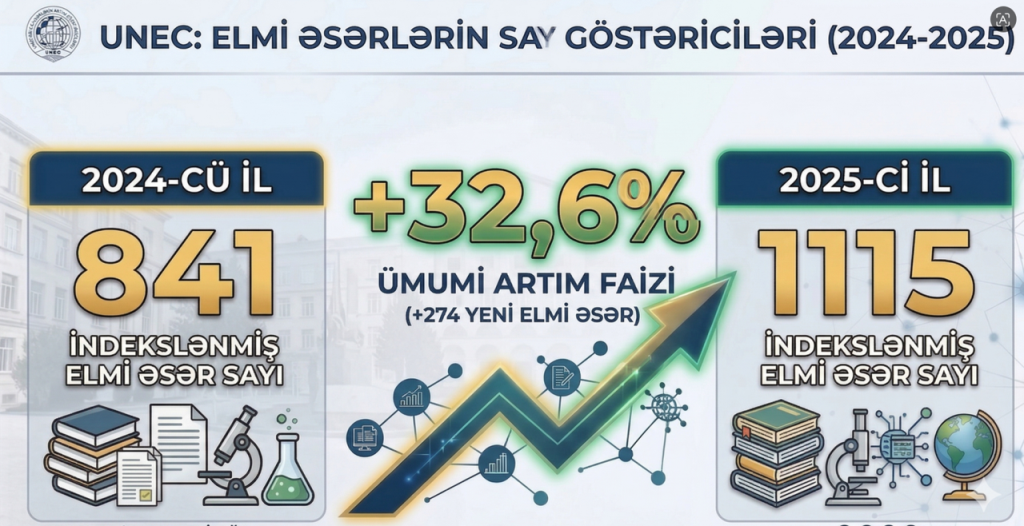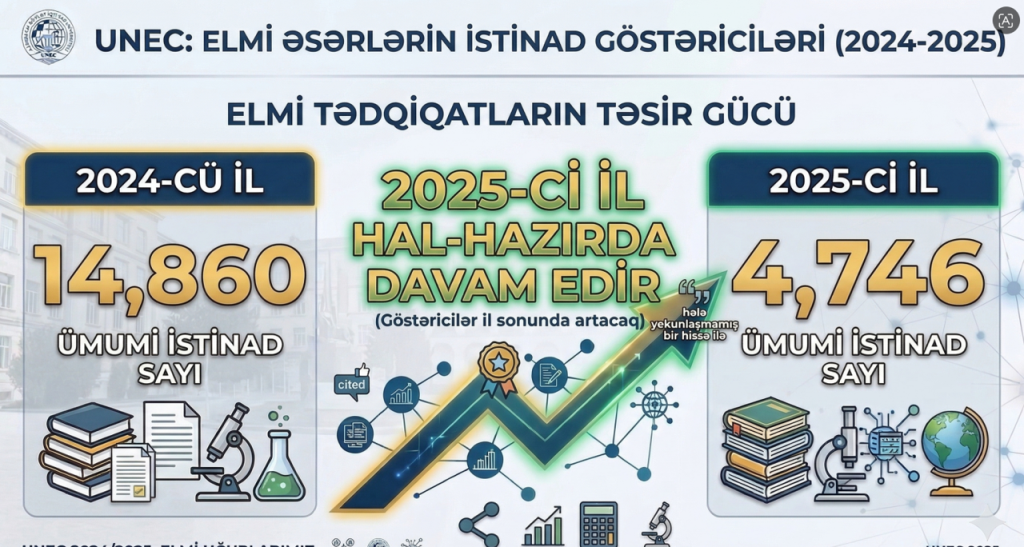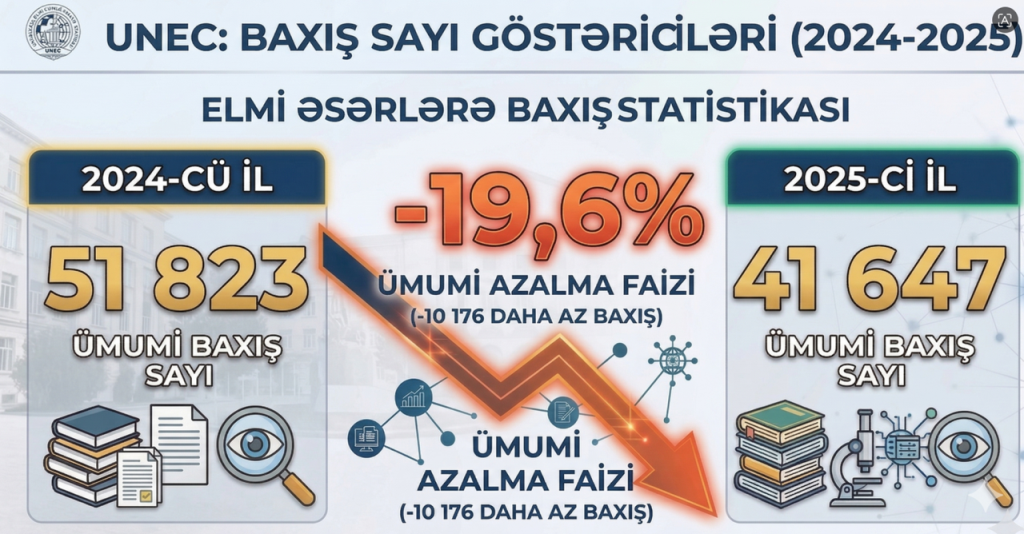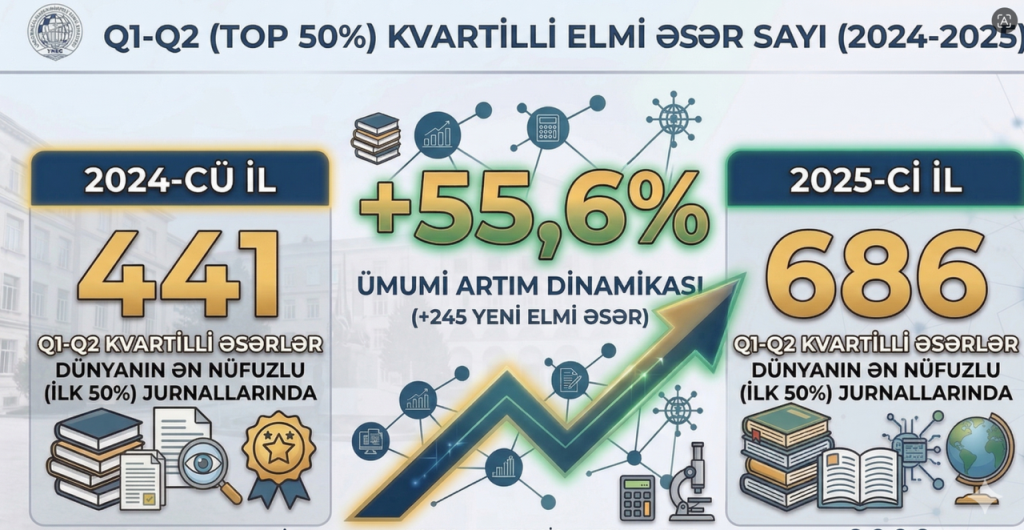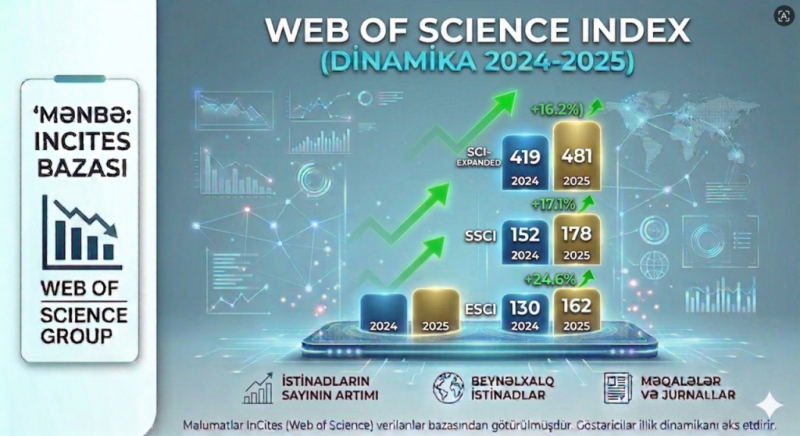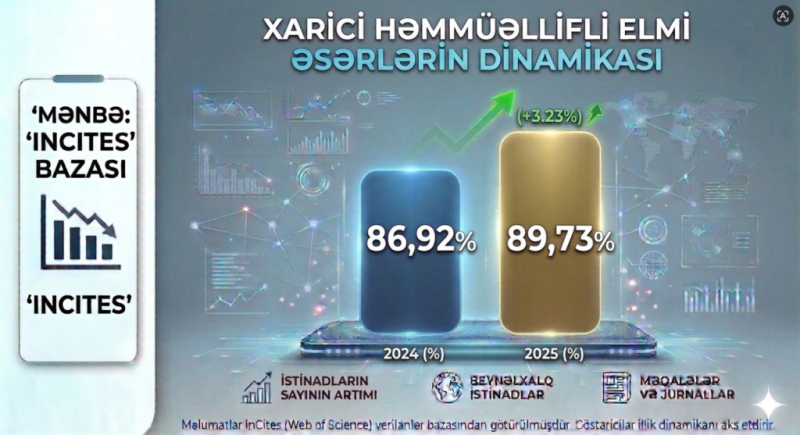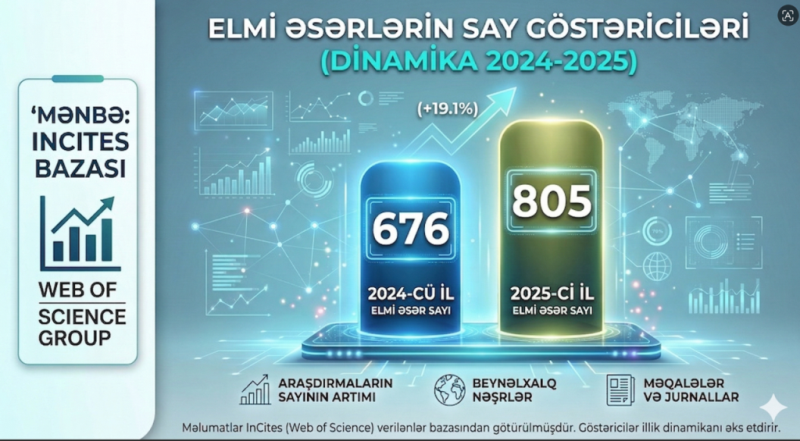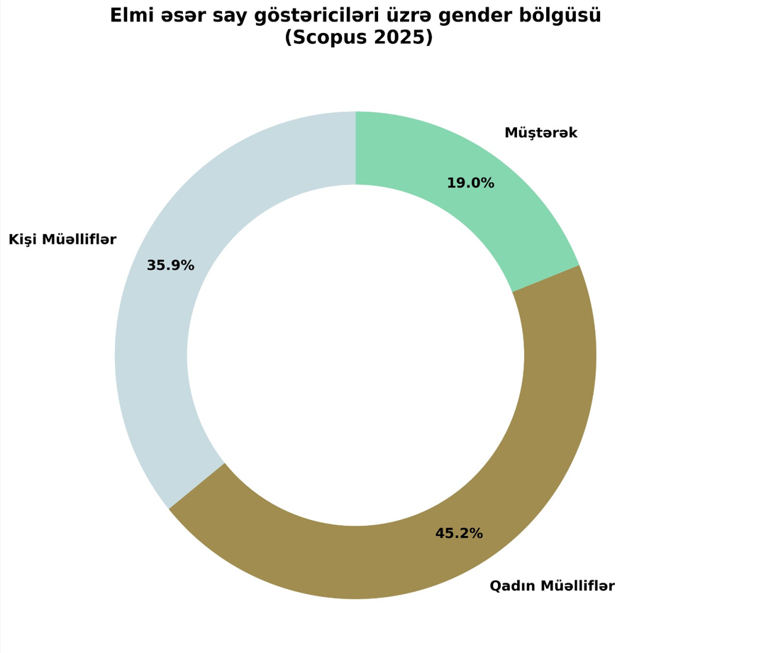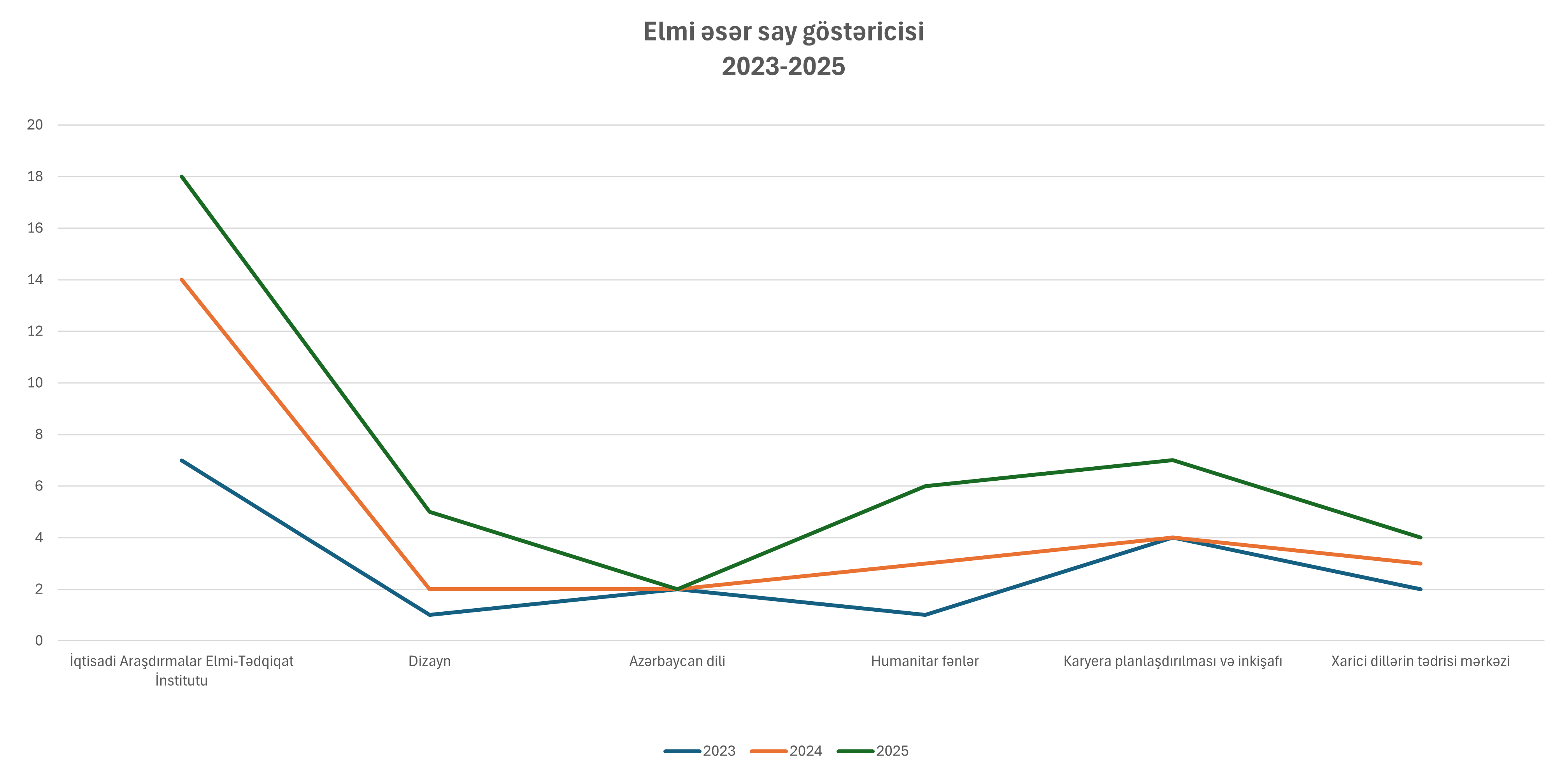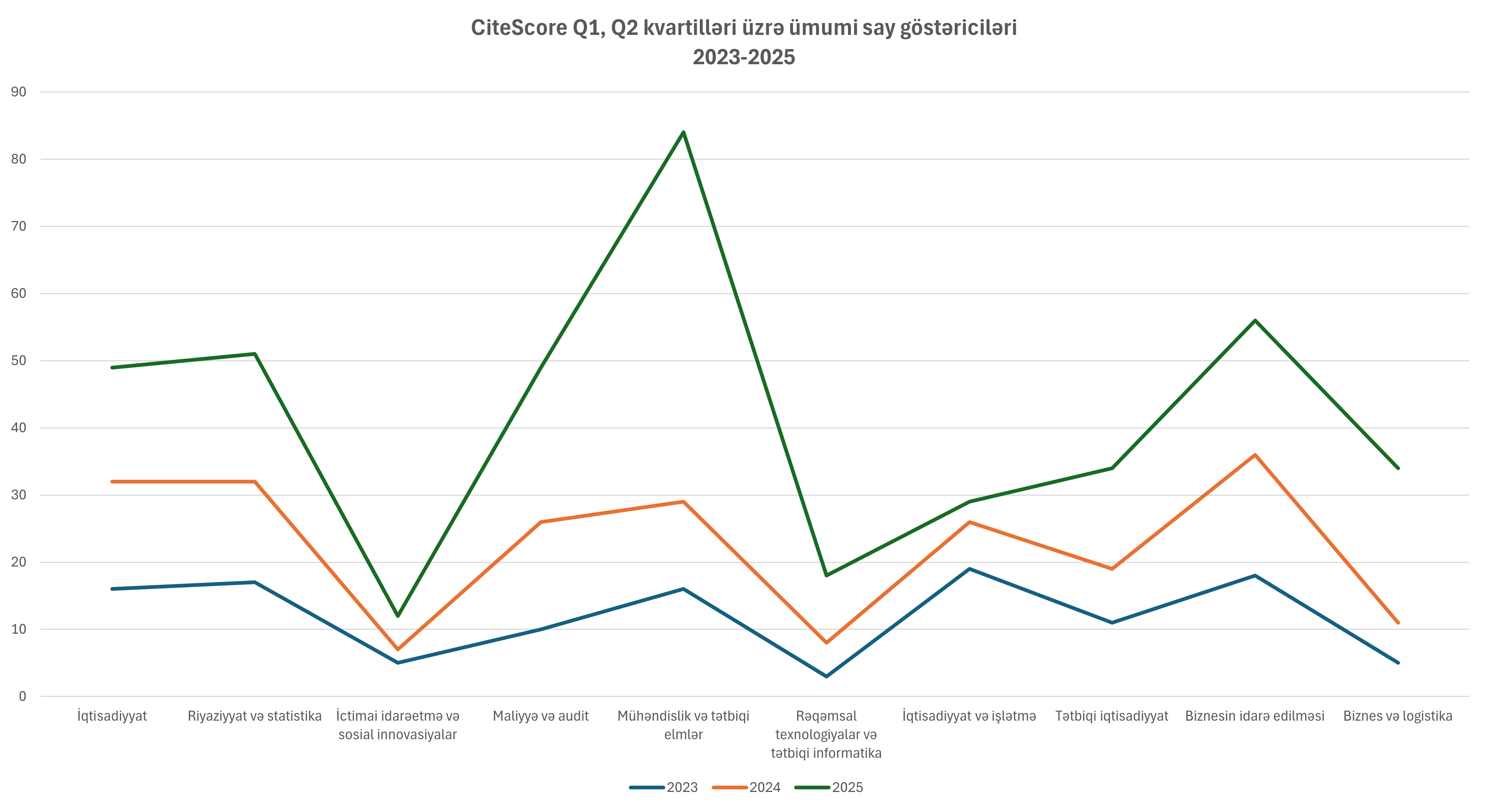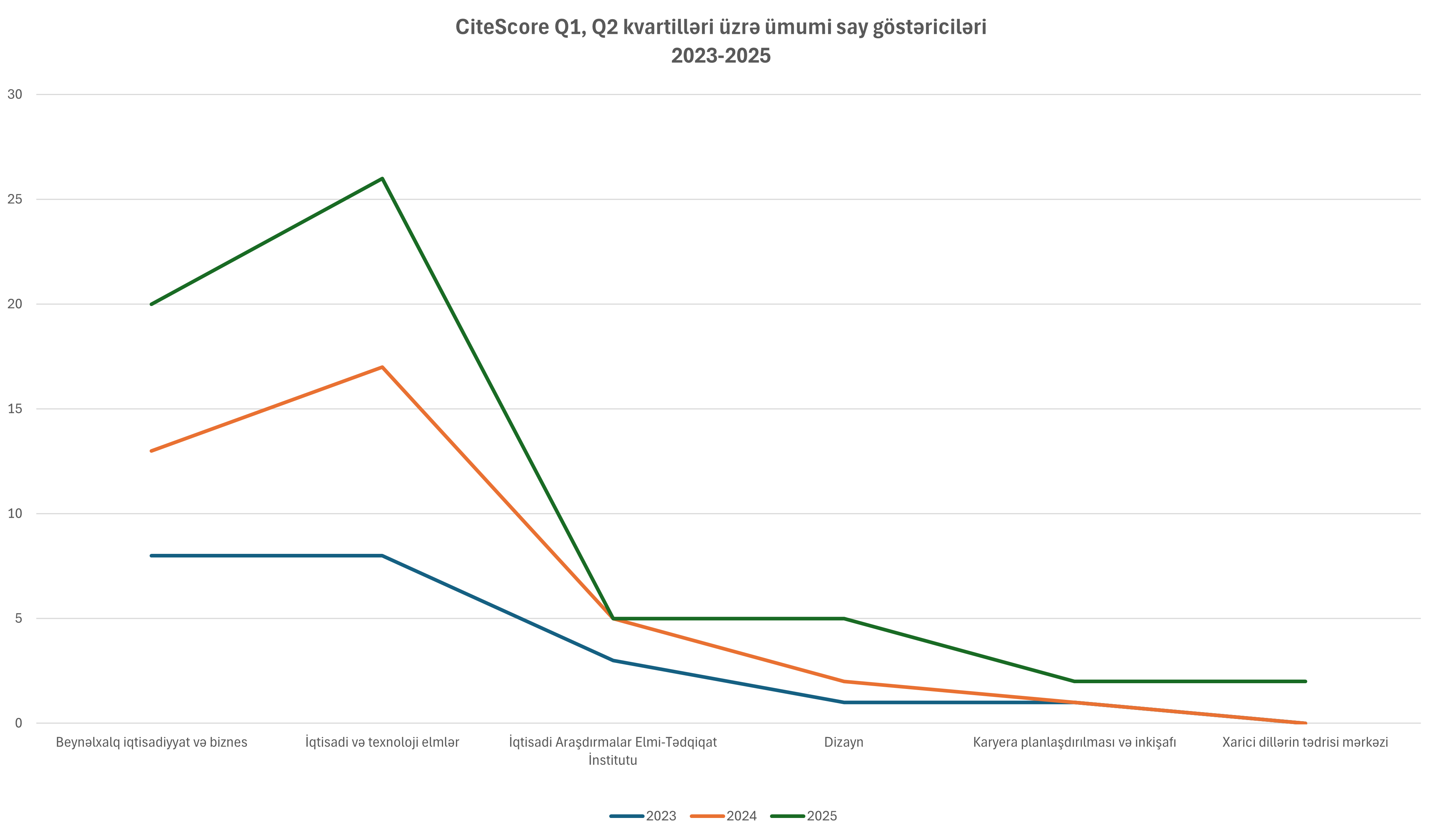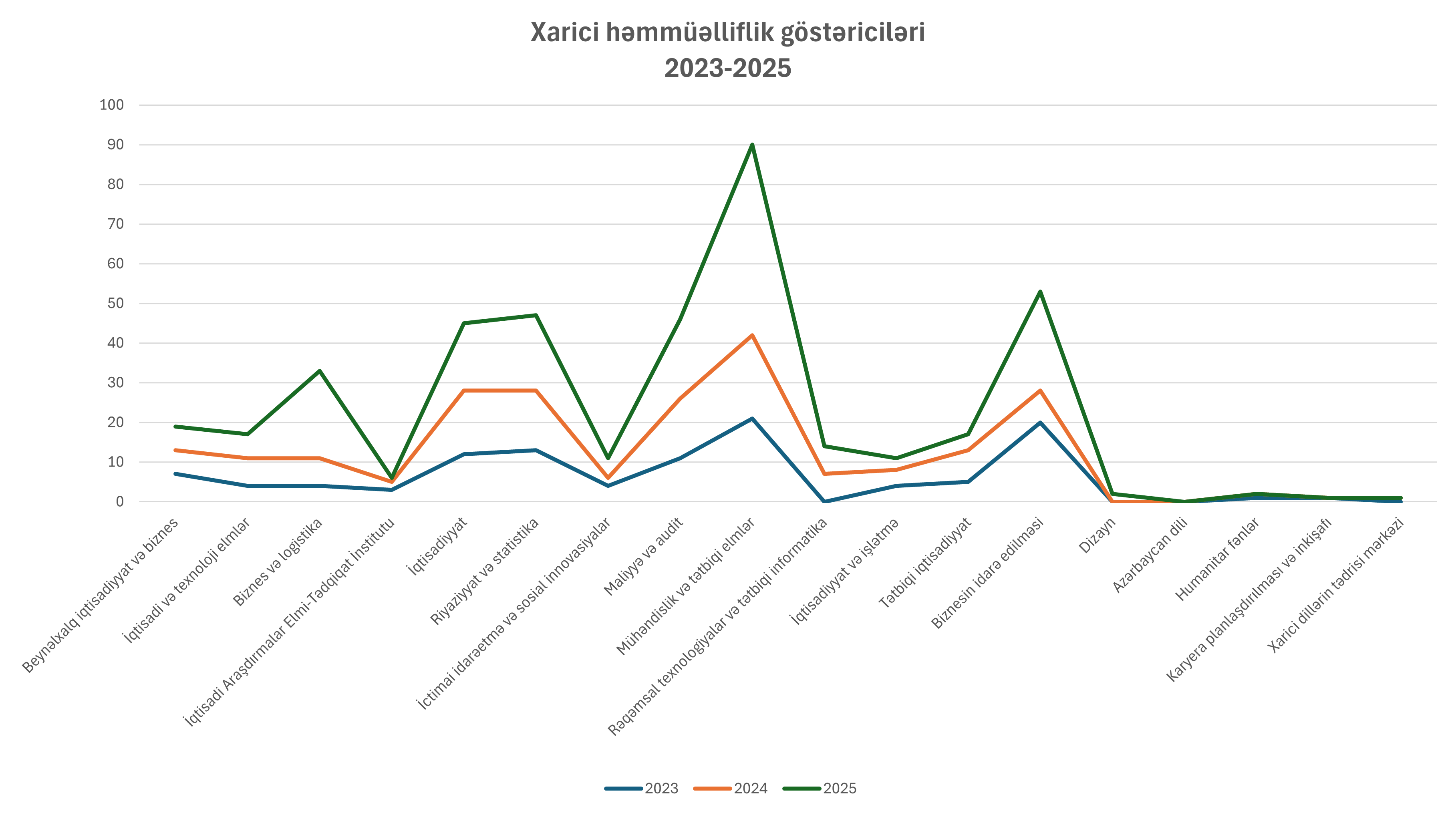

The primary function of scientometrics is to measure, evaluate, and comparatively analyze the scientific performance
of researchers, universities, academic journals, and countries.
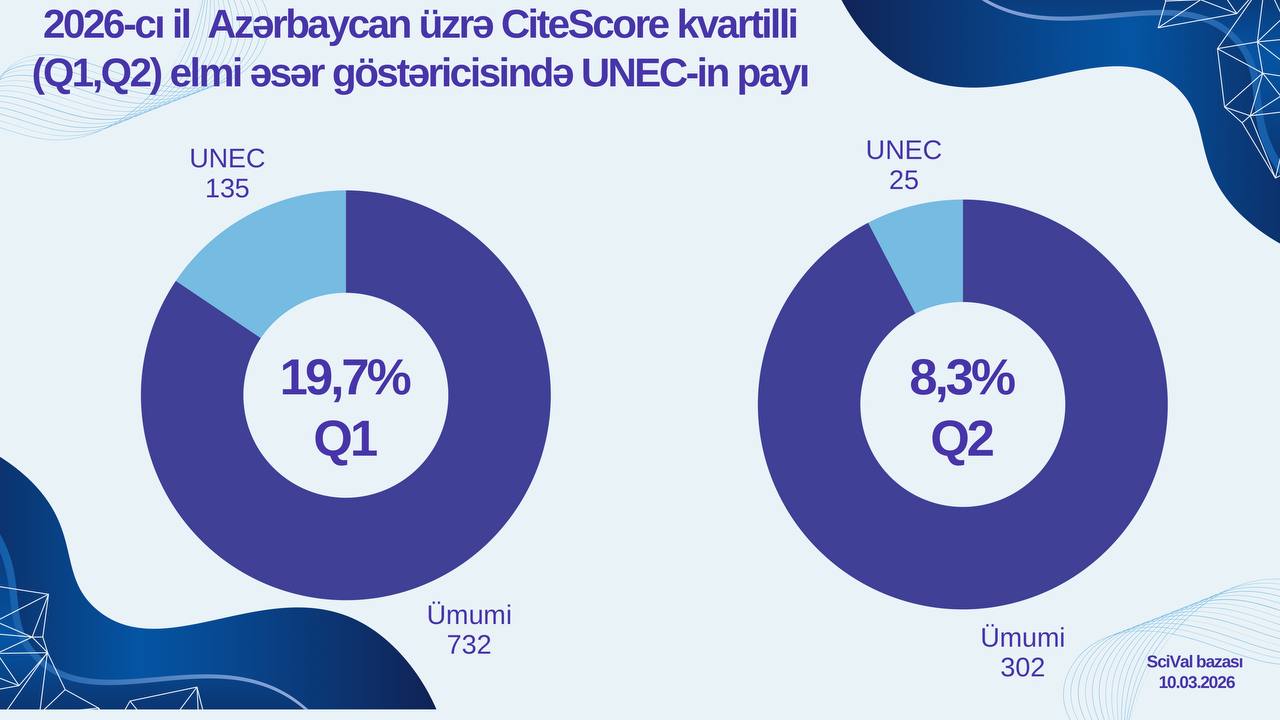
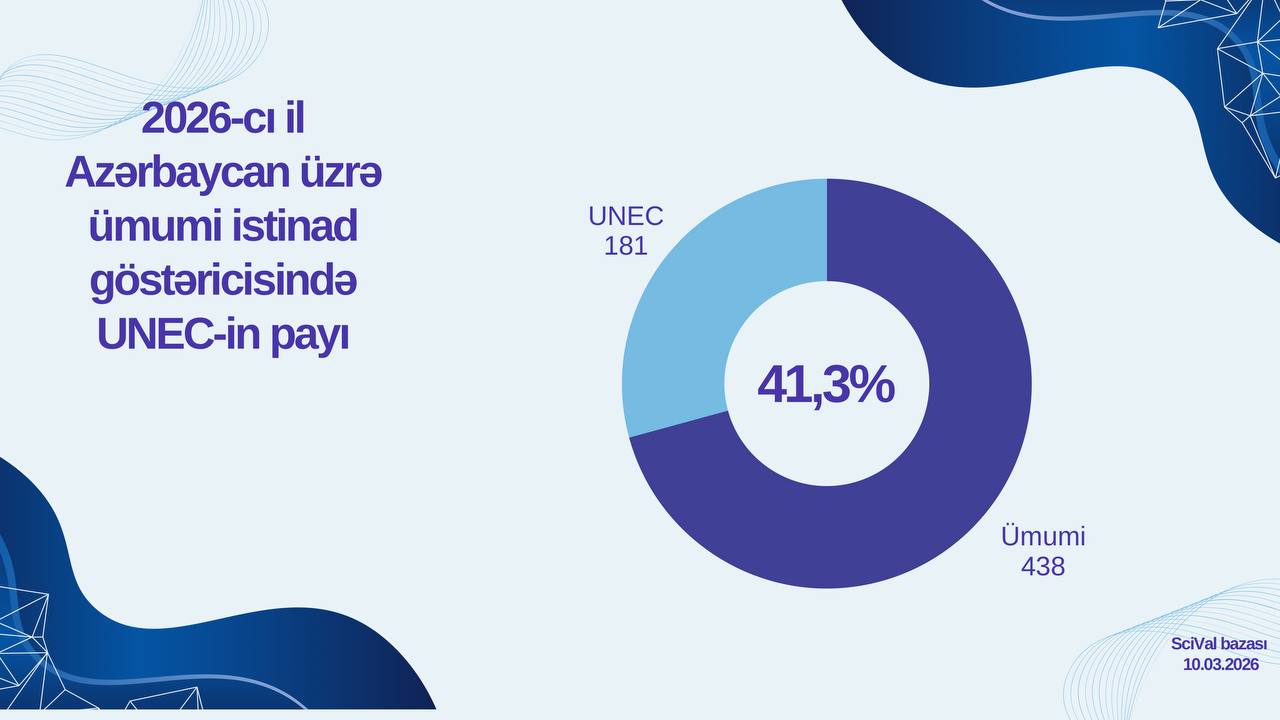
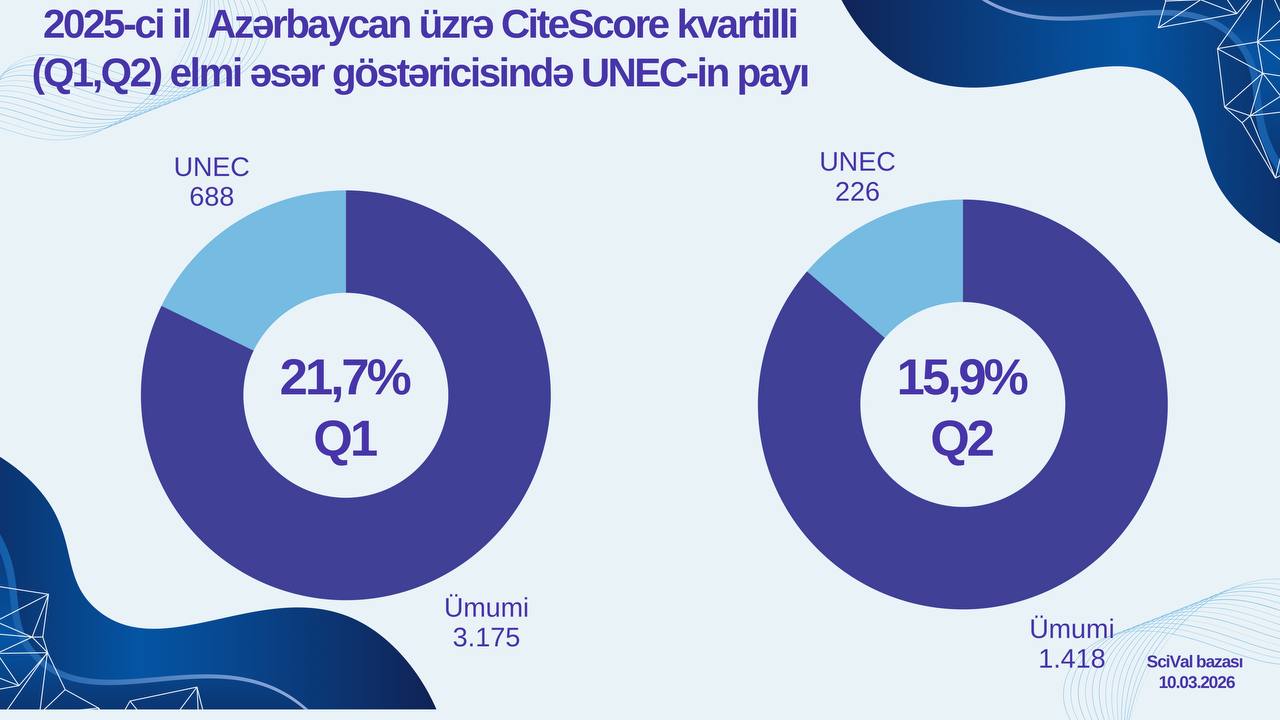
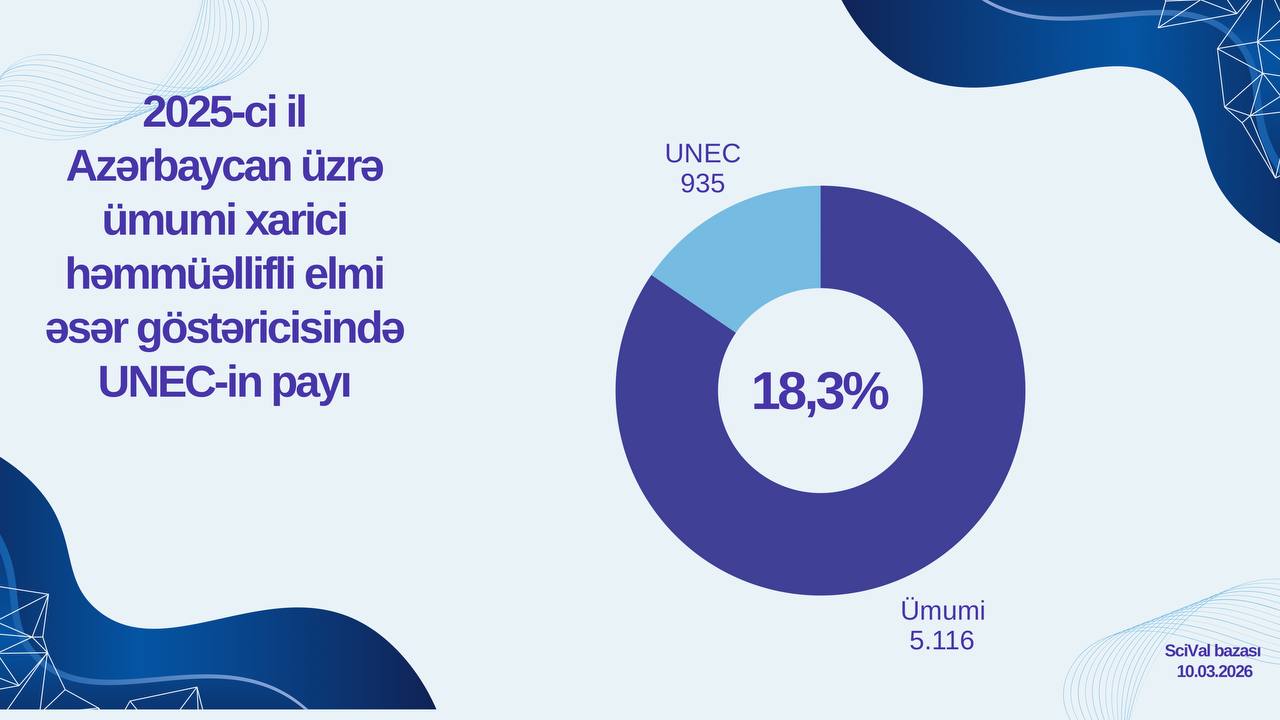
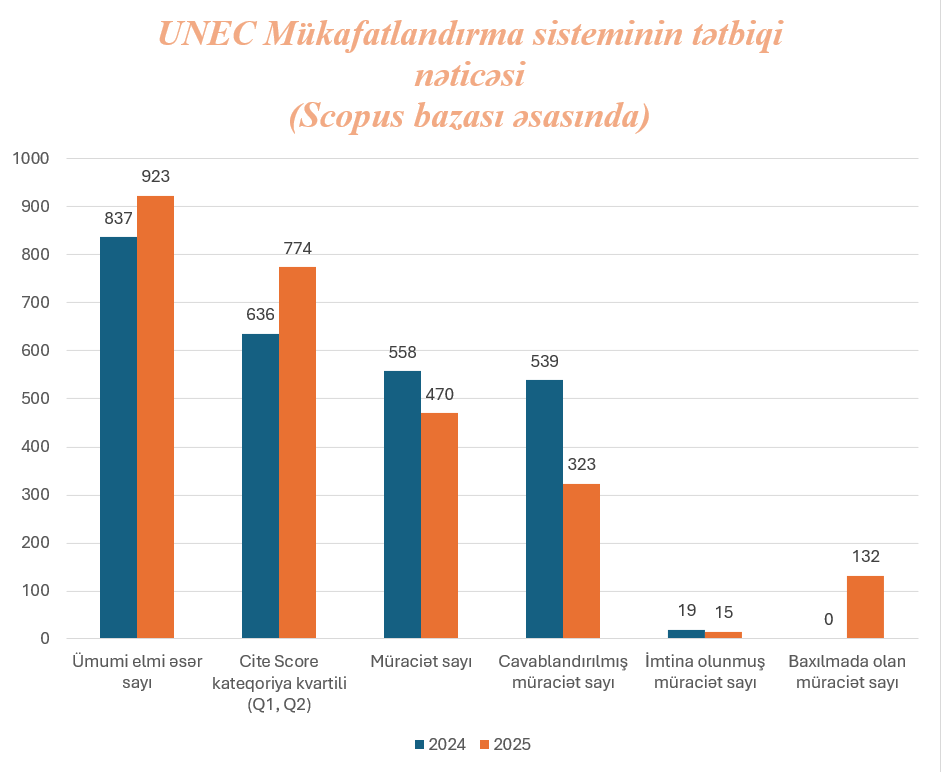
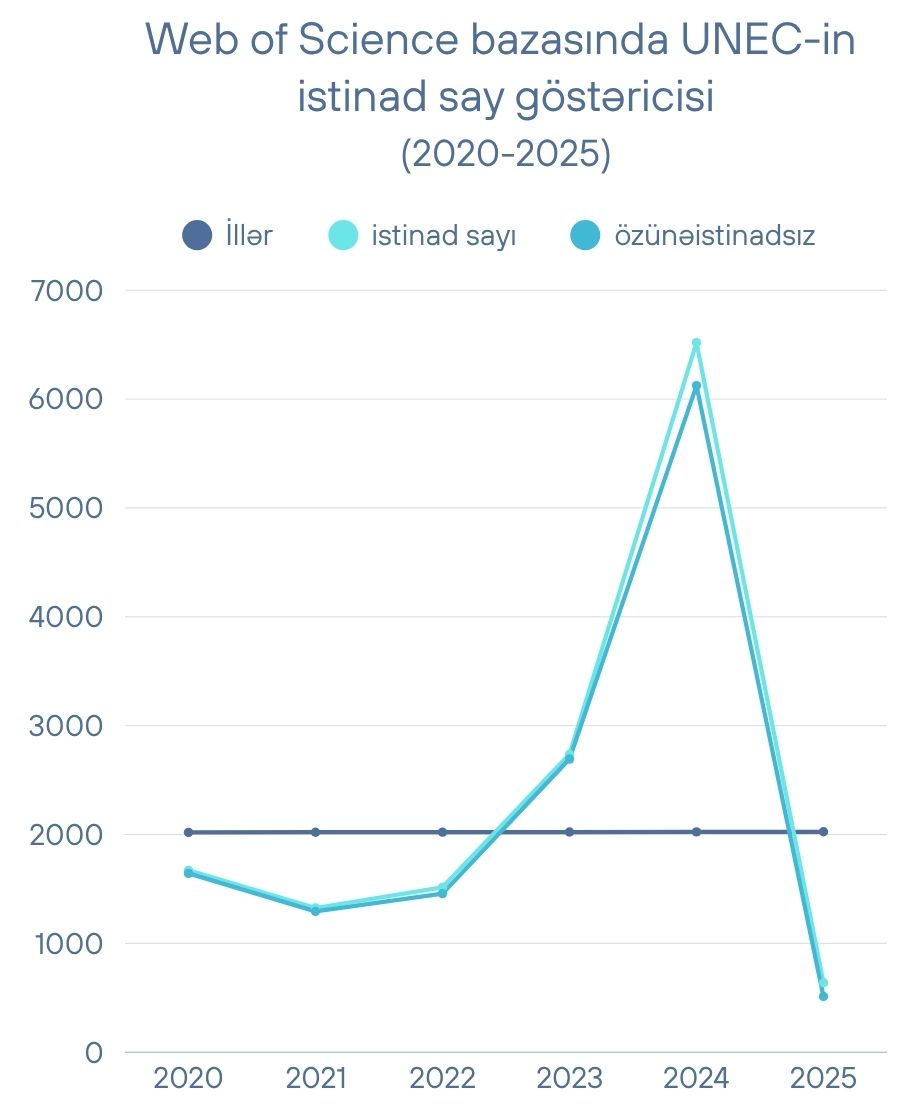
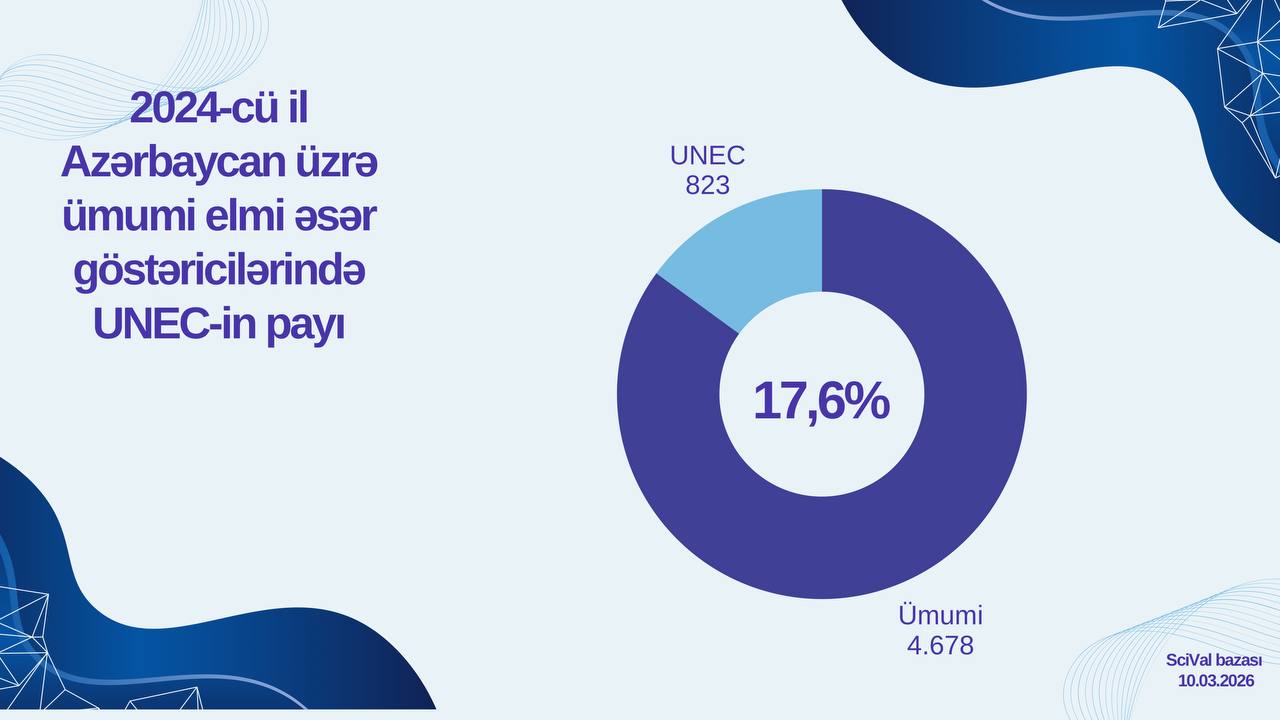
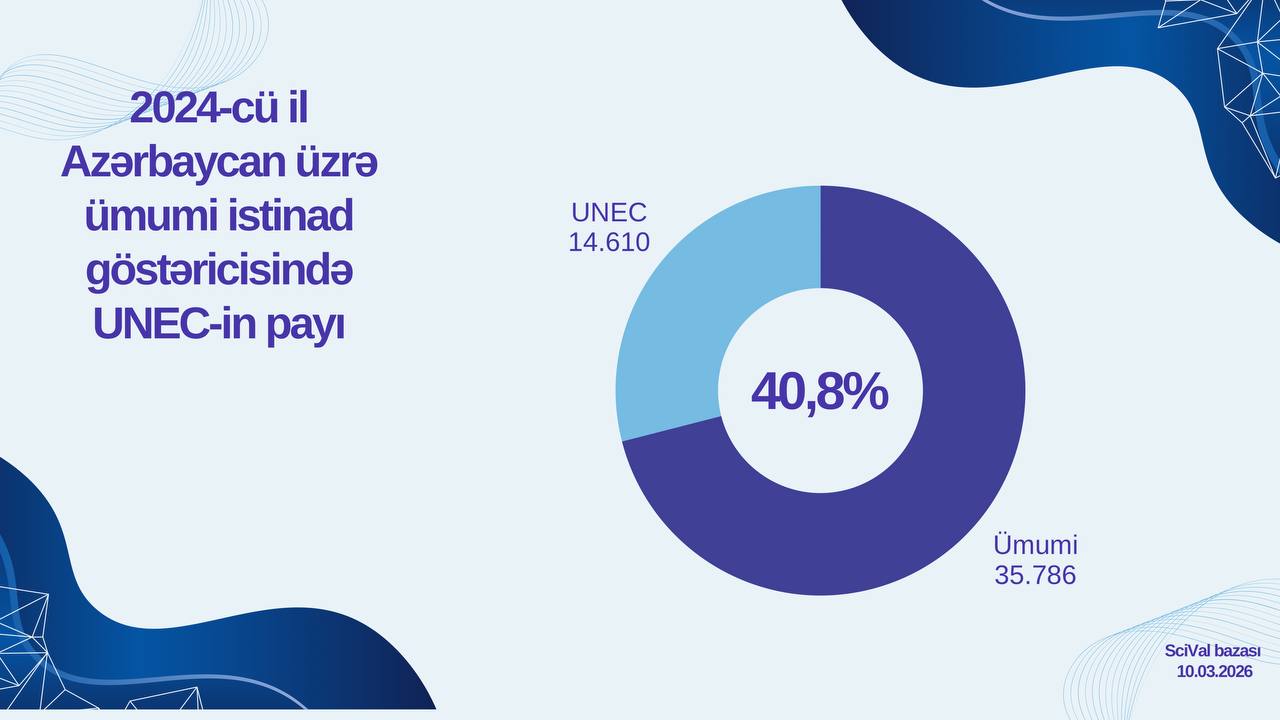
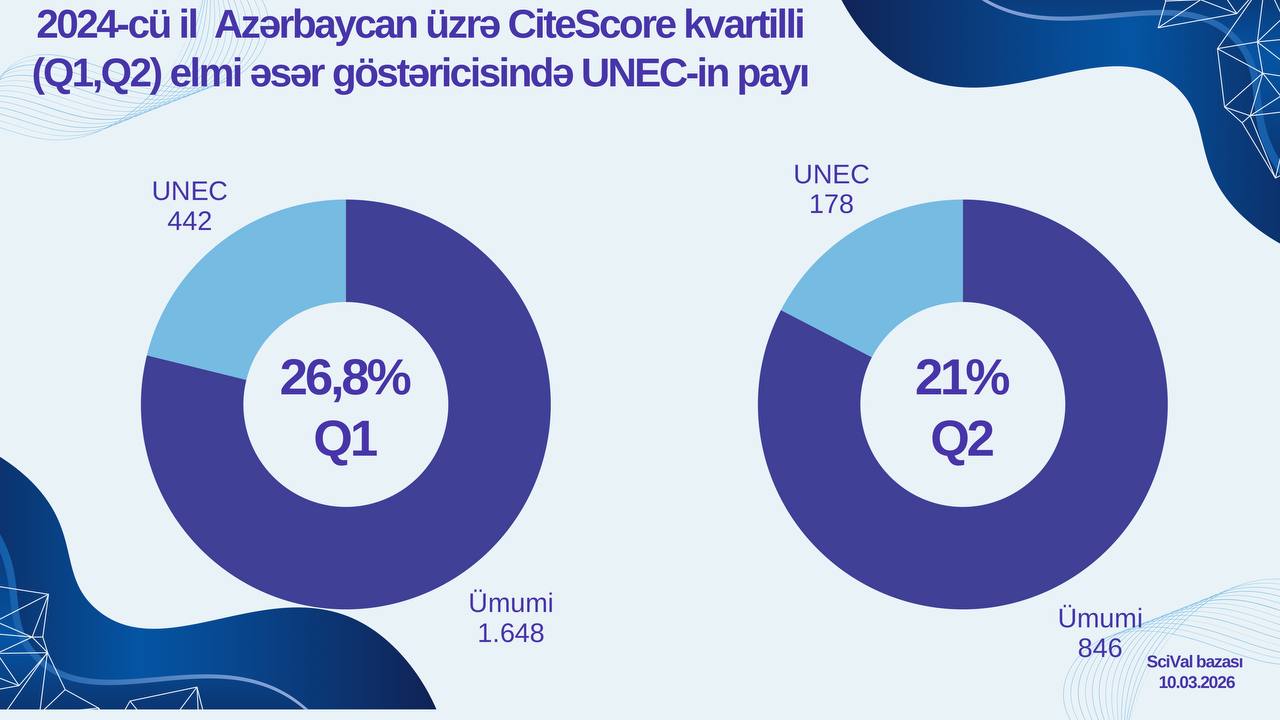
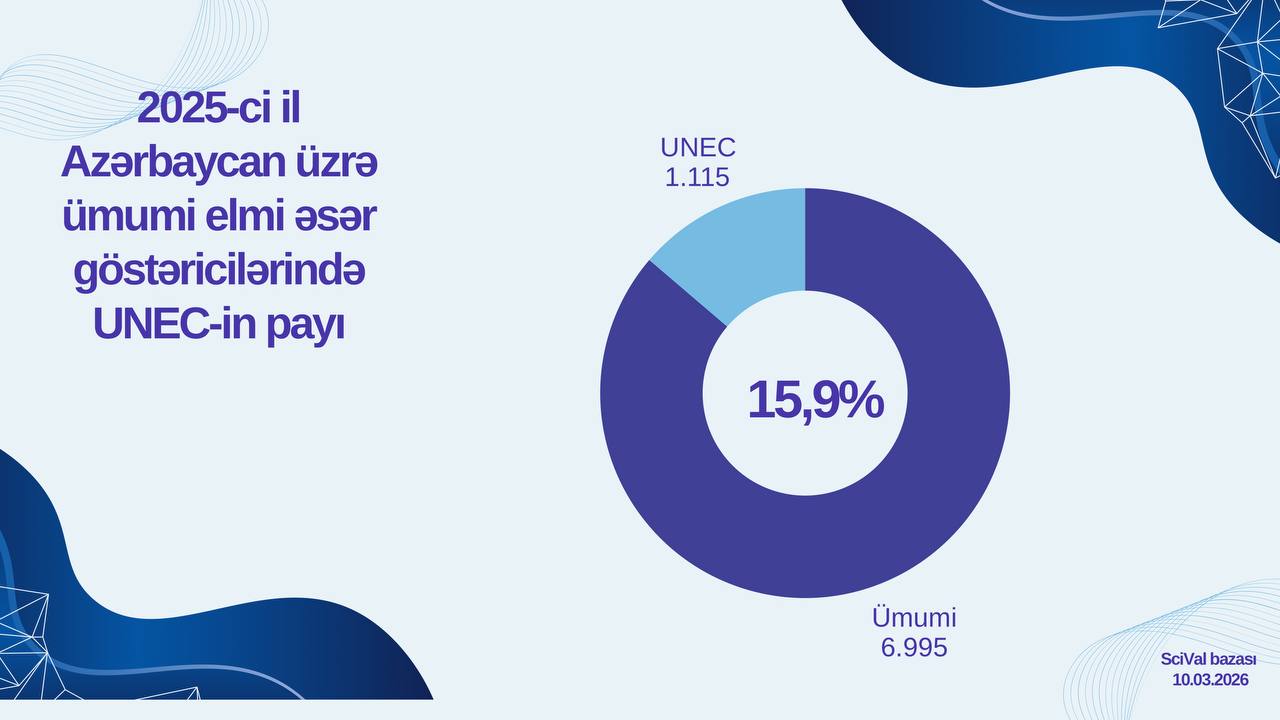
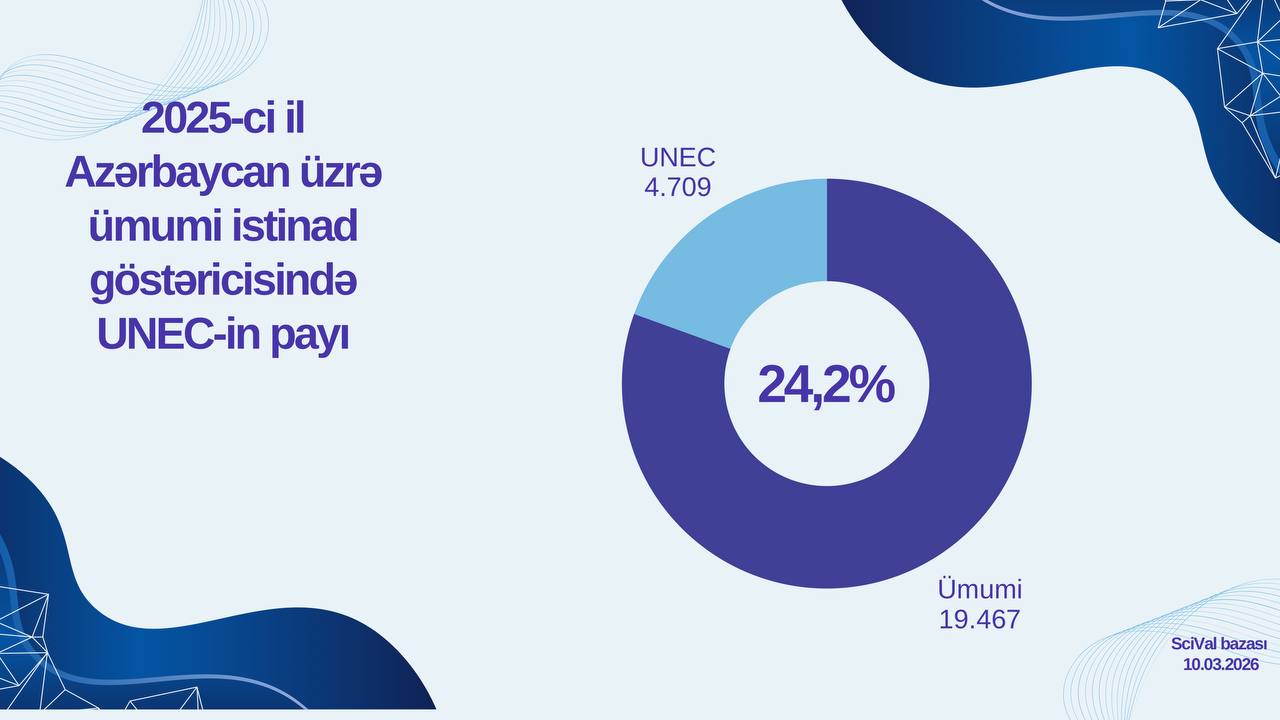
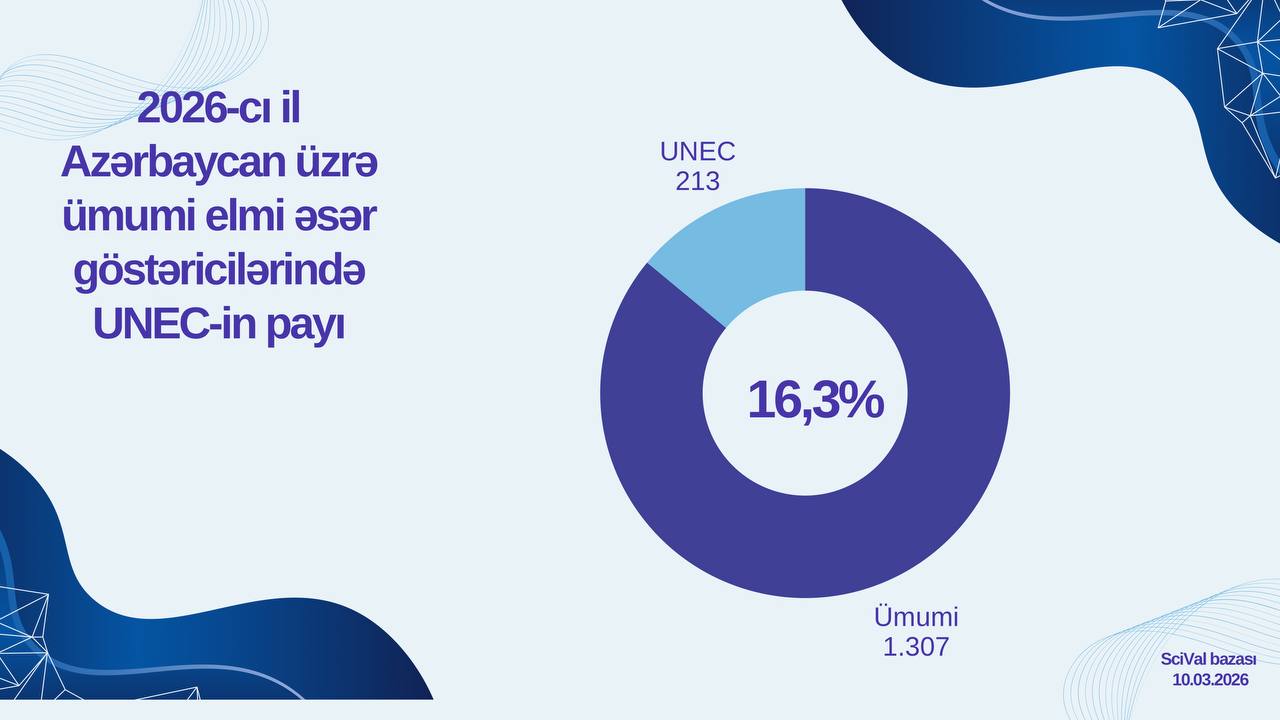
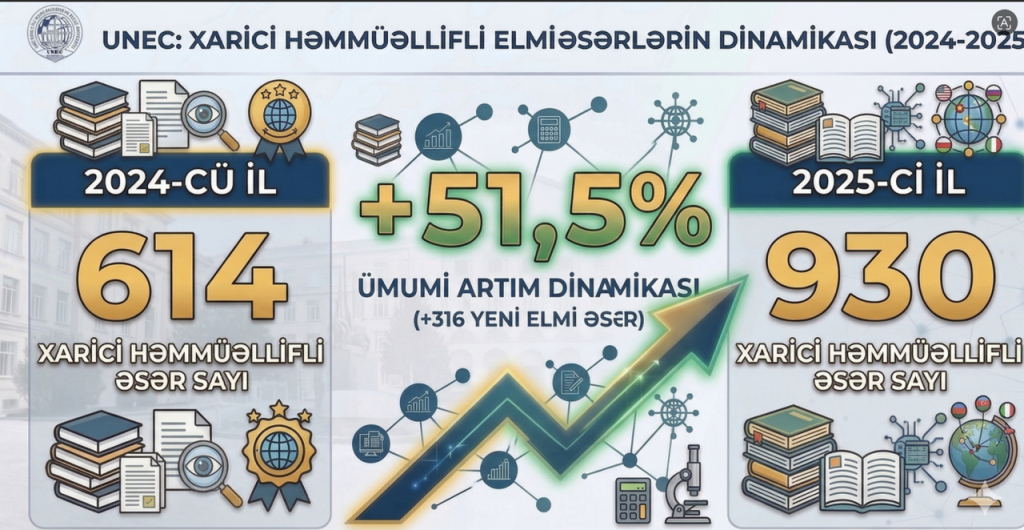
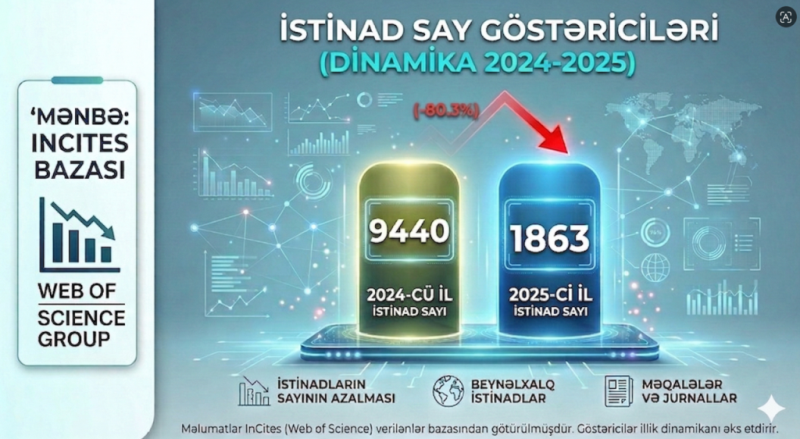
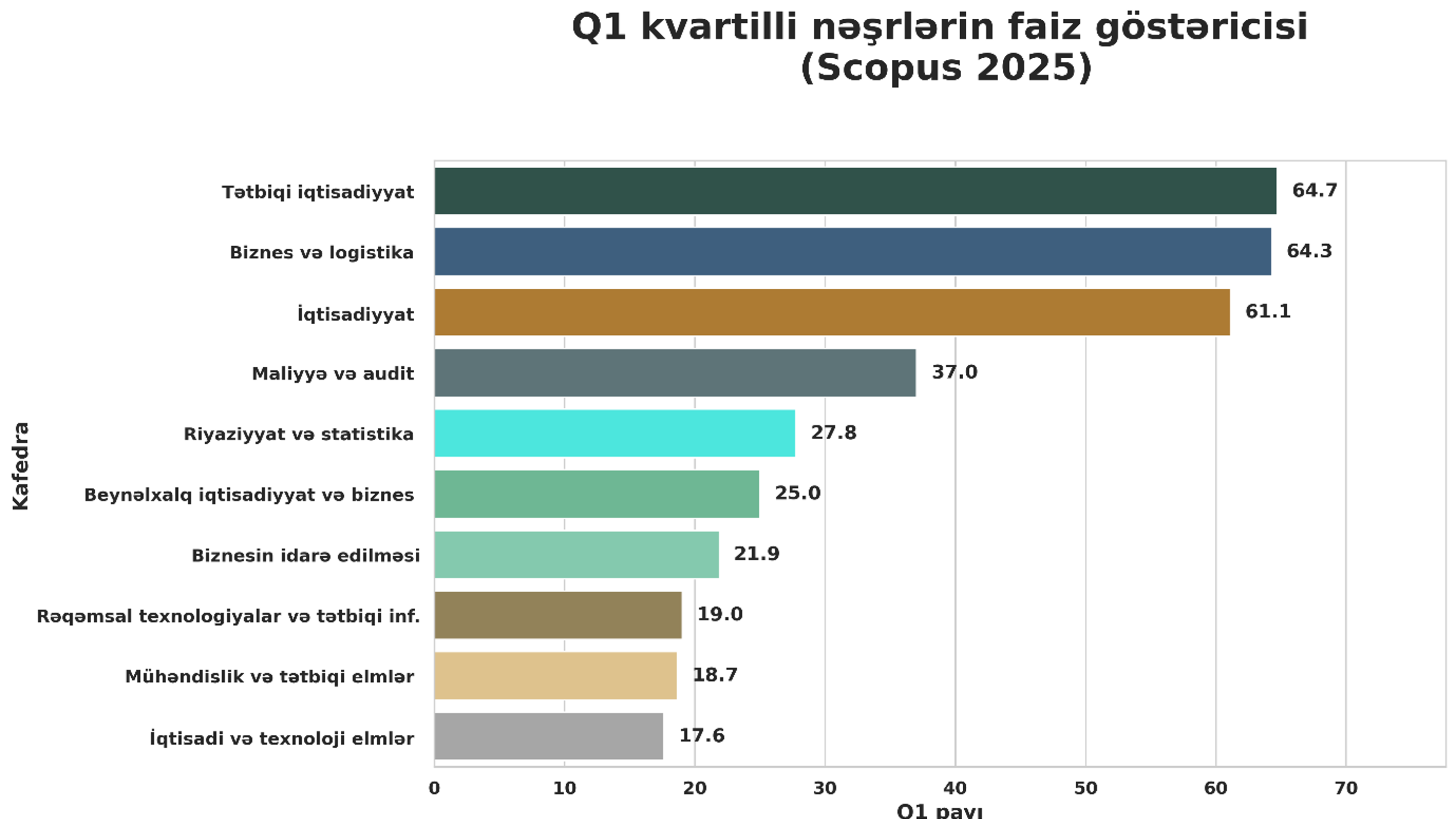
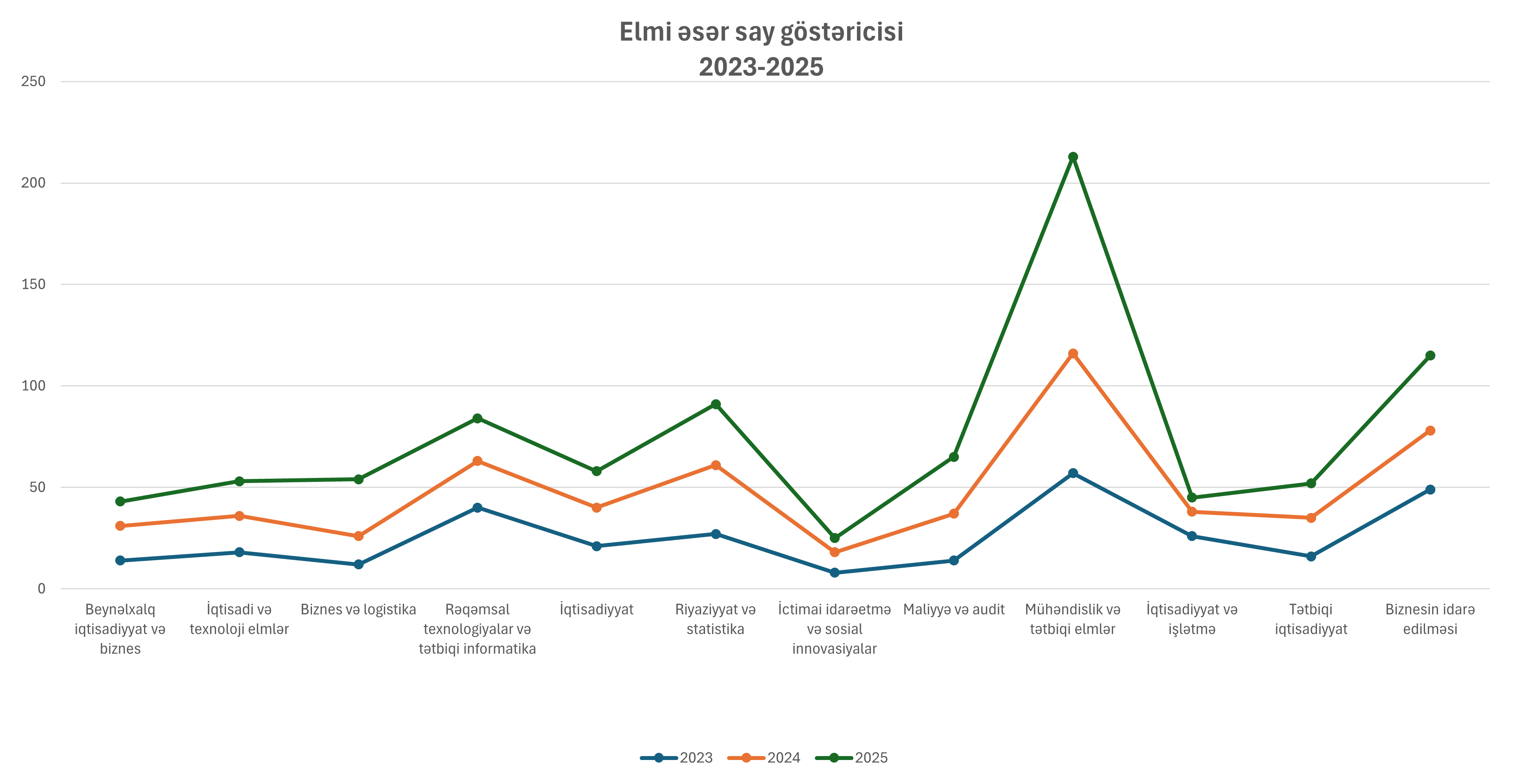
The main objective of scientometrics is to determine scientific productivity (such as the number of publications and citations), assess the scientific impact of research, and ensure the formation of a reward and incentive system within an approved methodological framework in line with the university’s strategic goals.
Analyses conducted in this area are based on the number of publications produced by a researcher or scientific institution
within a specific period, the number of citations received, overall research productivity, and the level of scientific impact.
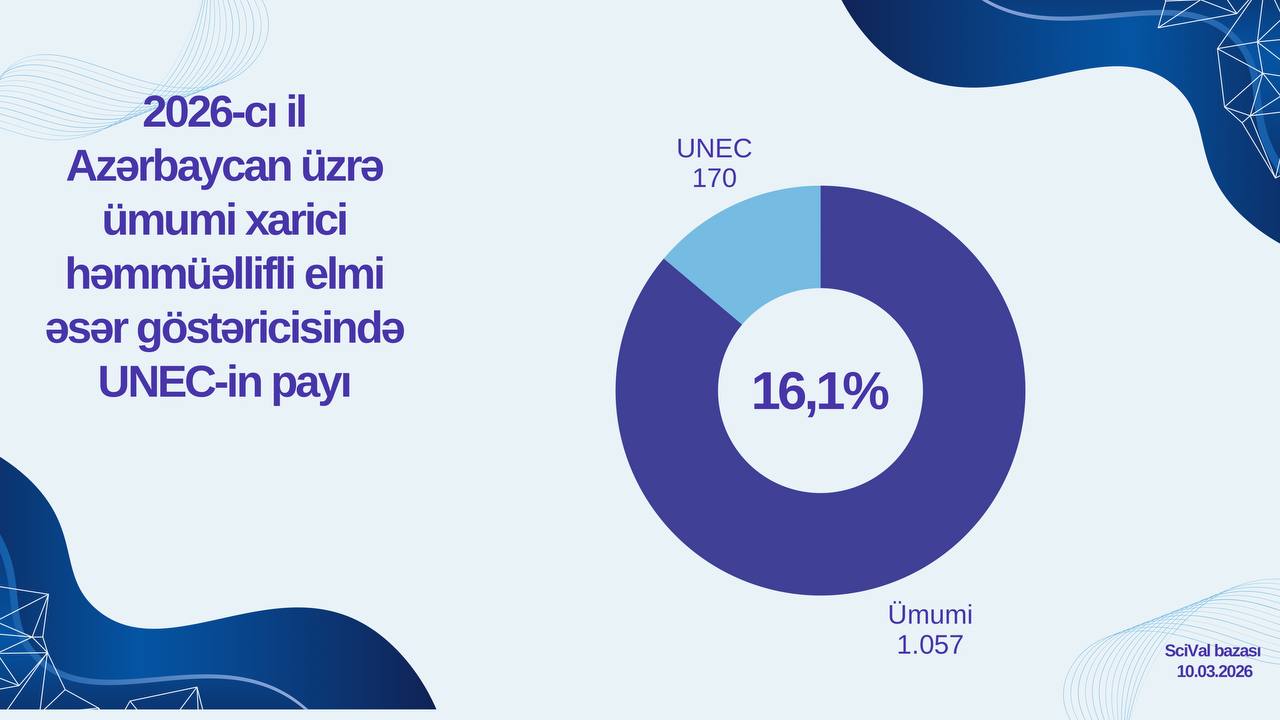
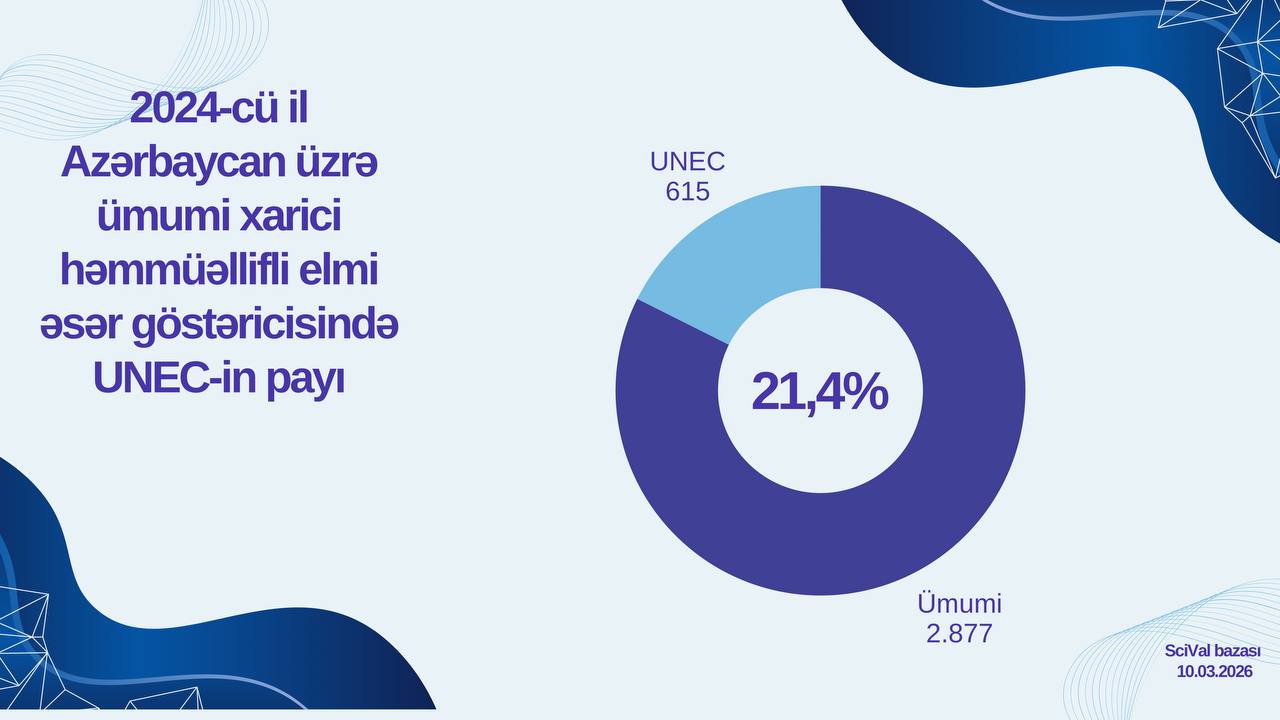
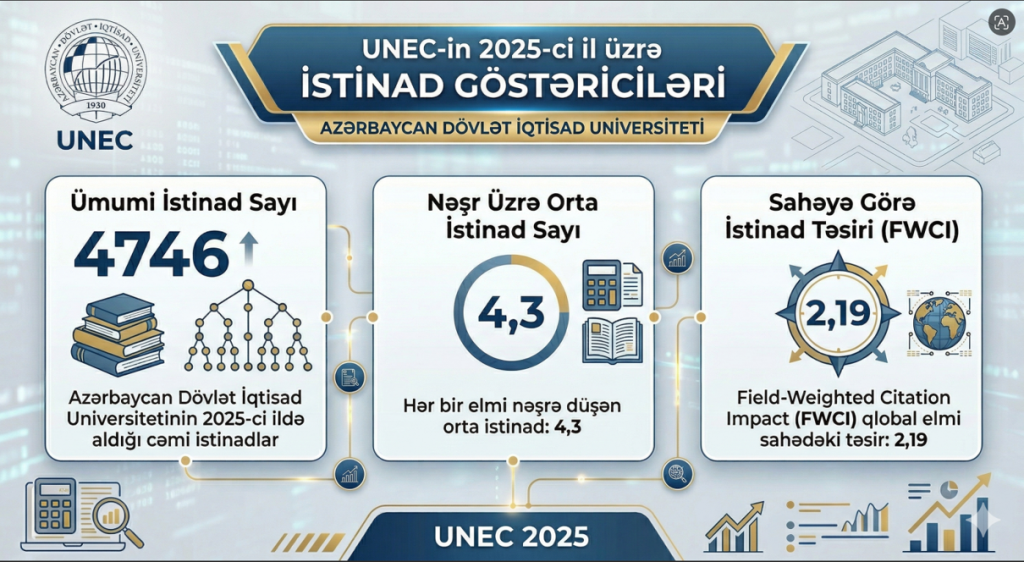
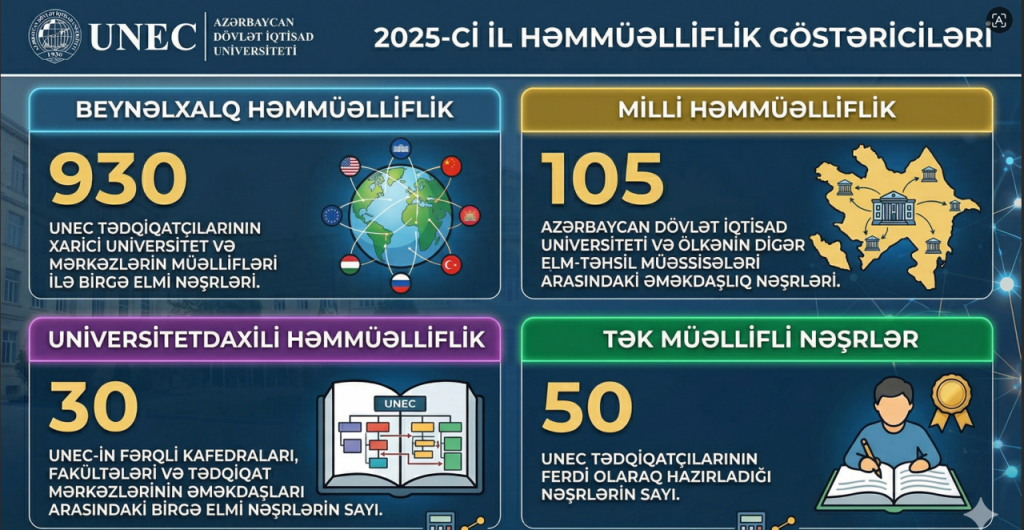
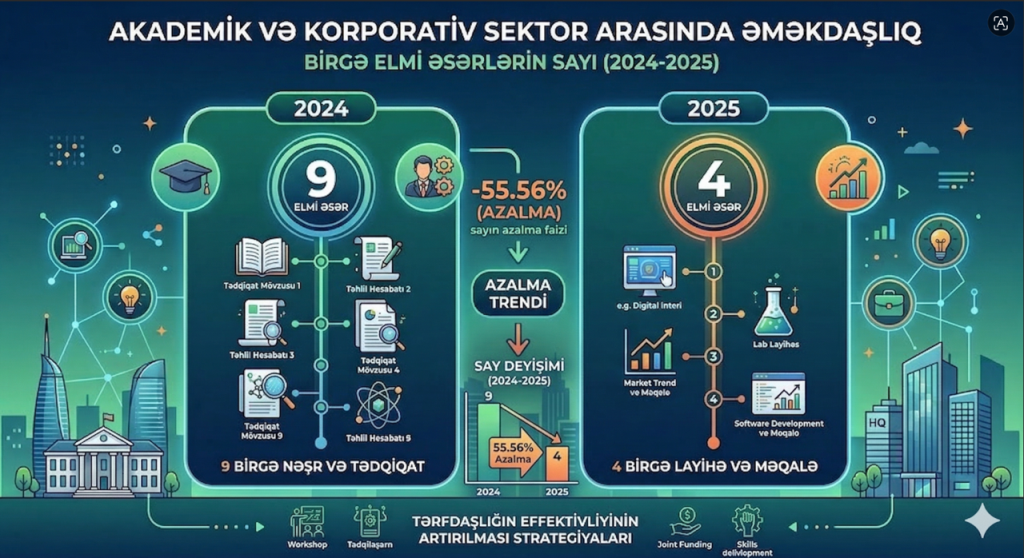
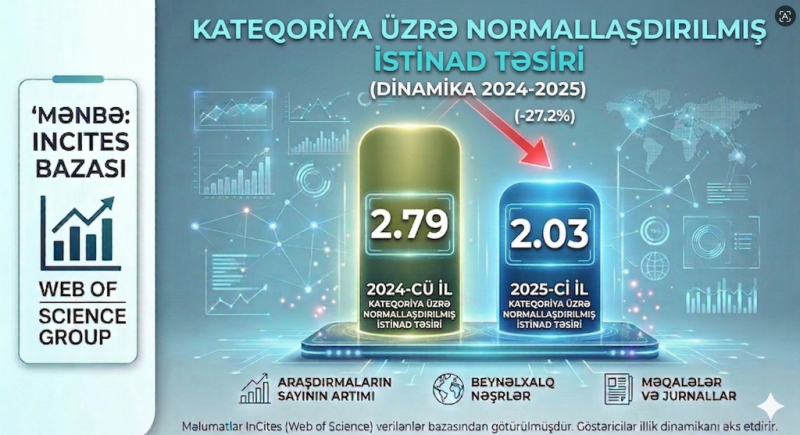
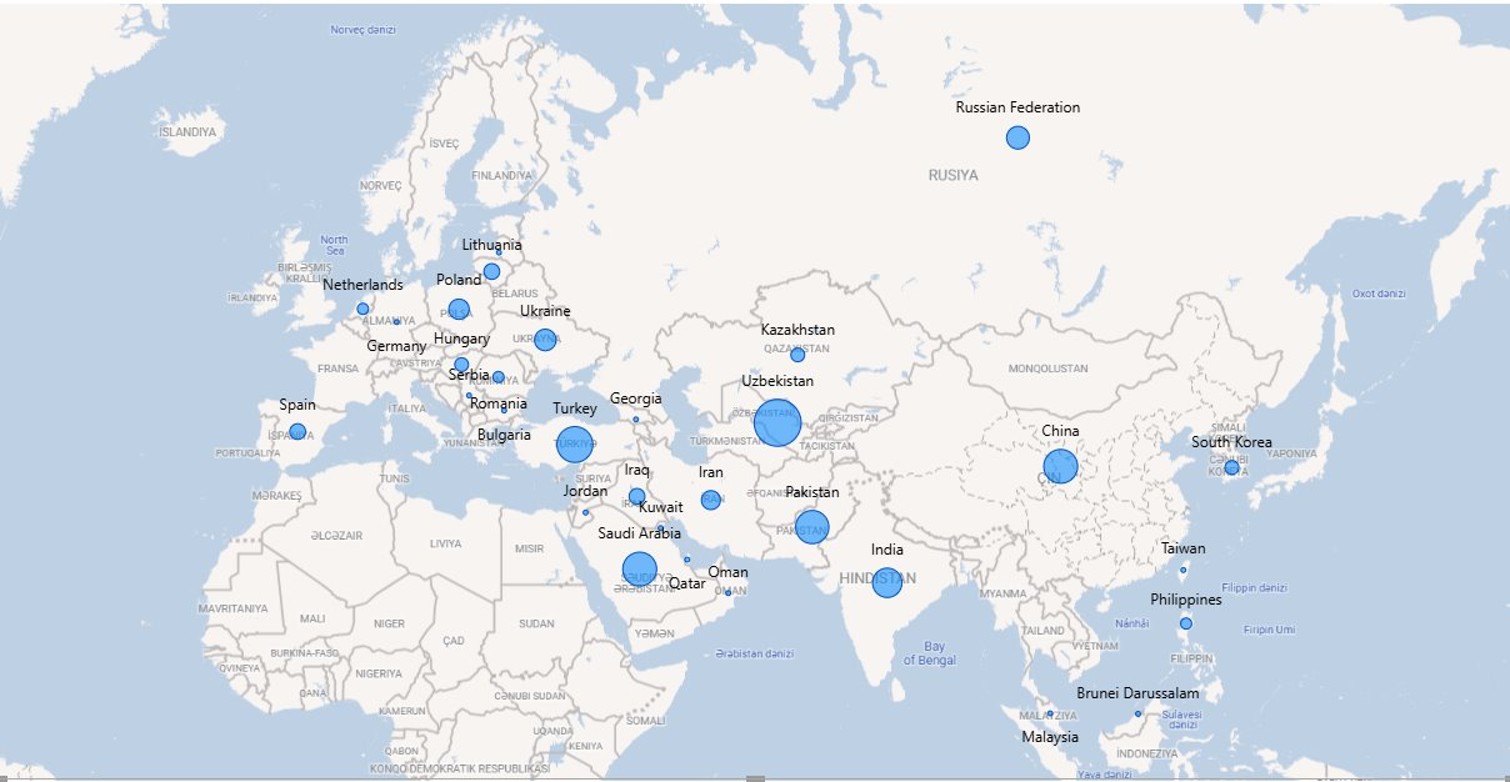
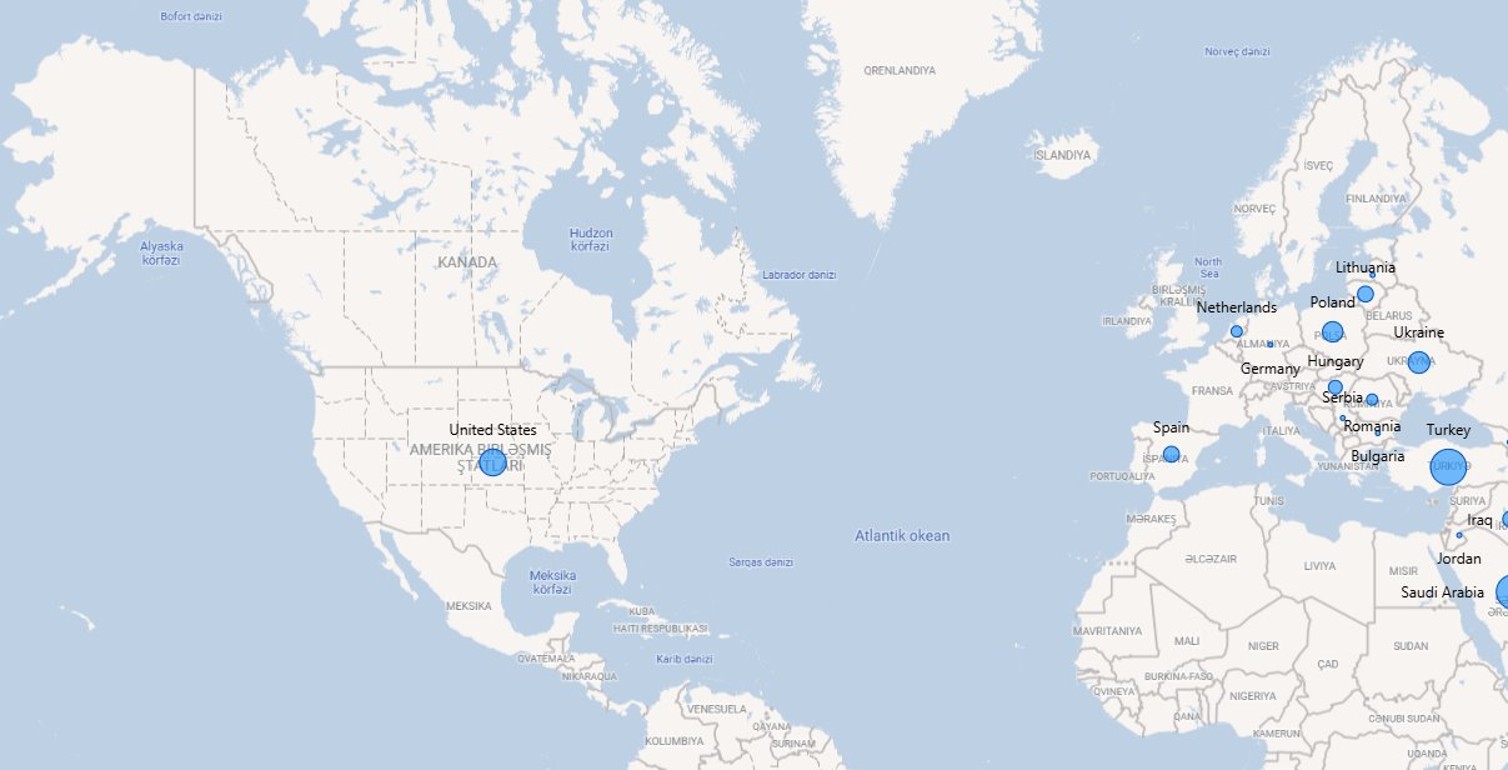
In addition, evaluations take into account indicators such as international co-authorship and the Field-Weighted Citation
Impact (FWCI), which measures the impact of publications compared to the global average citation rate in a given field.
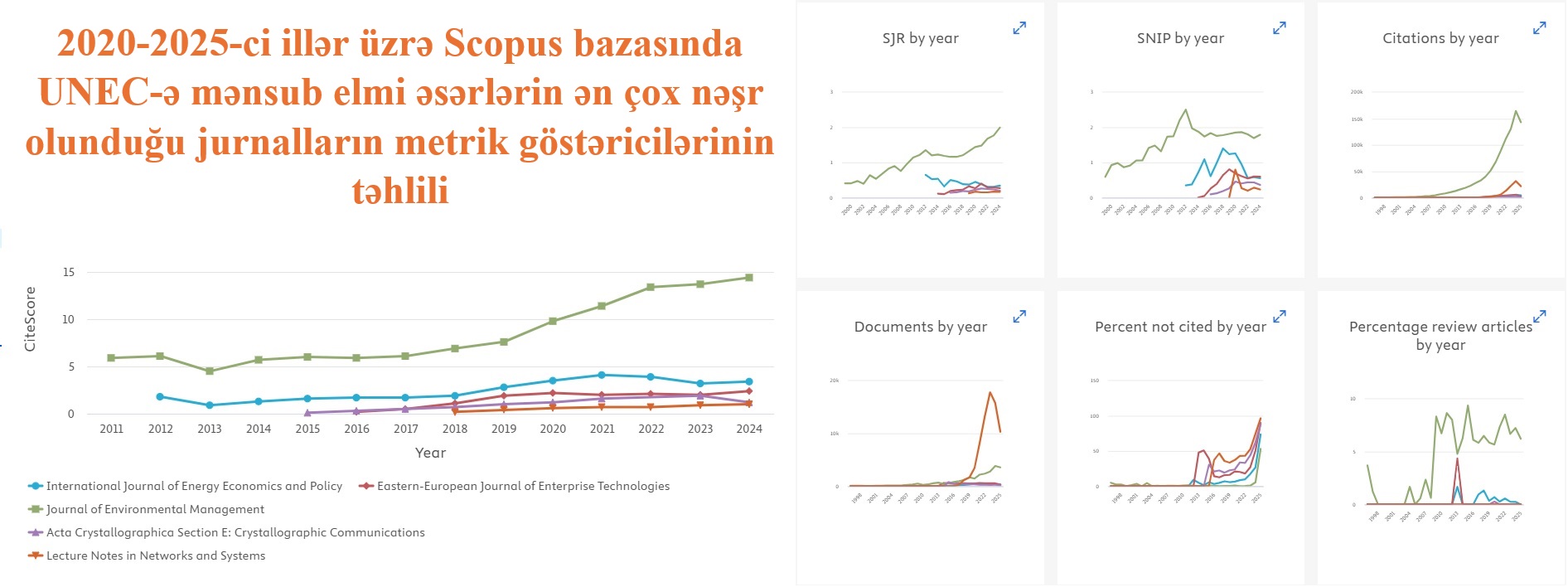
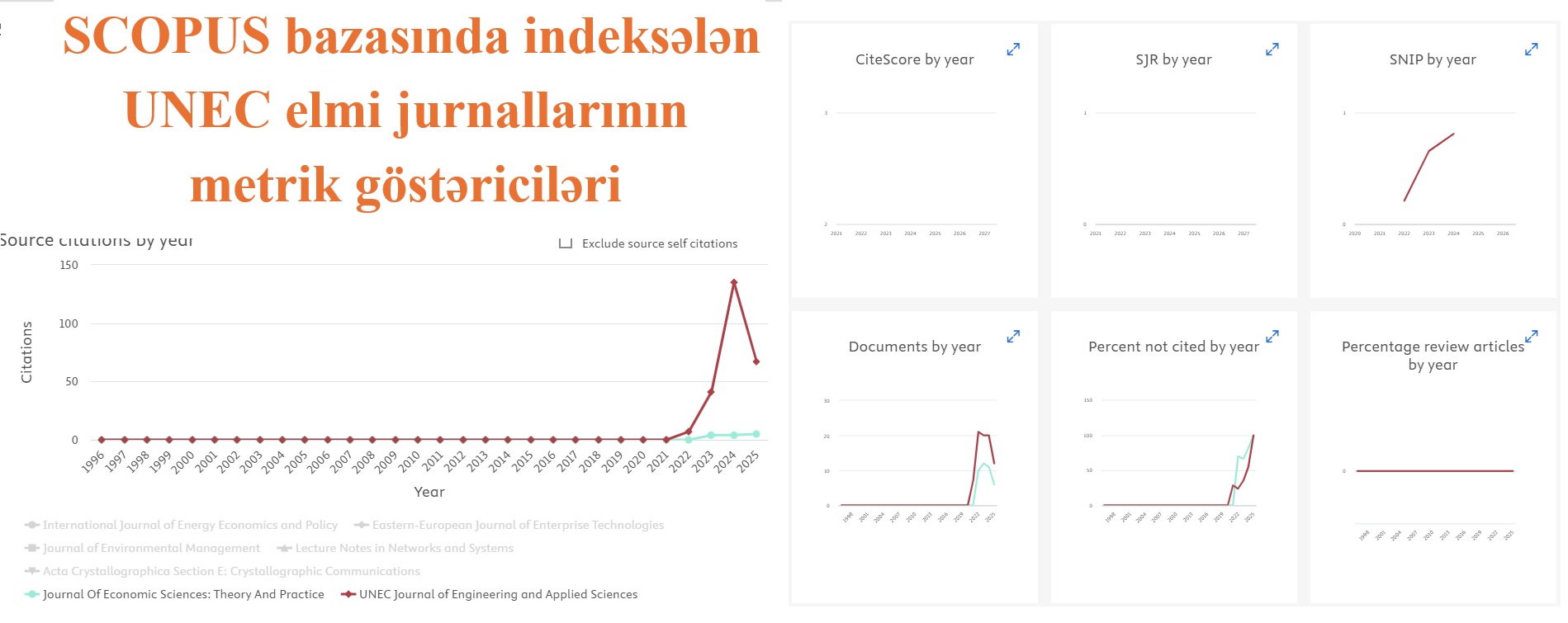
The main sources used for analysis include internationally recognized scientific databases and platforms such as Scopus,
Web of Science, analytical information systems InCites and SciVal, as well as other academic platforms including Google Scholar,
ResearchGate, Academia.edu, and Lens.org.
At UNEC, all of the above analyses, along with researcher career evaluations, the development of scientific policy, and the formation of university and faculty rankings based on publication performance, are carried out by the Scientometrics Department.